Seasonal Packaging Strategy: How Brands Build Scalable Packaging Systems Heading Into 2026
Seasonal Packaging Strategy is no longer about seasonal design.
Heading into 2026, it’s about how brands make packaging decisions that can scale 📈
I’ve worked with brands that change packaging every season.
And I’ve worked with brands that never change it at all.
The ones growing steadily all have one thing in common 👇
They treat Seasonal Packaging Strategy as a system, not a campaign.
📦 What a Seasonal Packaging Strategy Really Means
Let’s clarify this first.
A Seasonal Packaging Strategy is NOT:
Redesigning boxes every season
Chasing visual trends
Treating packaging as decoration
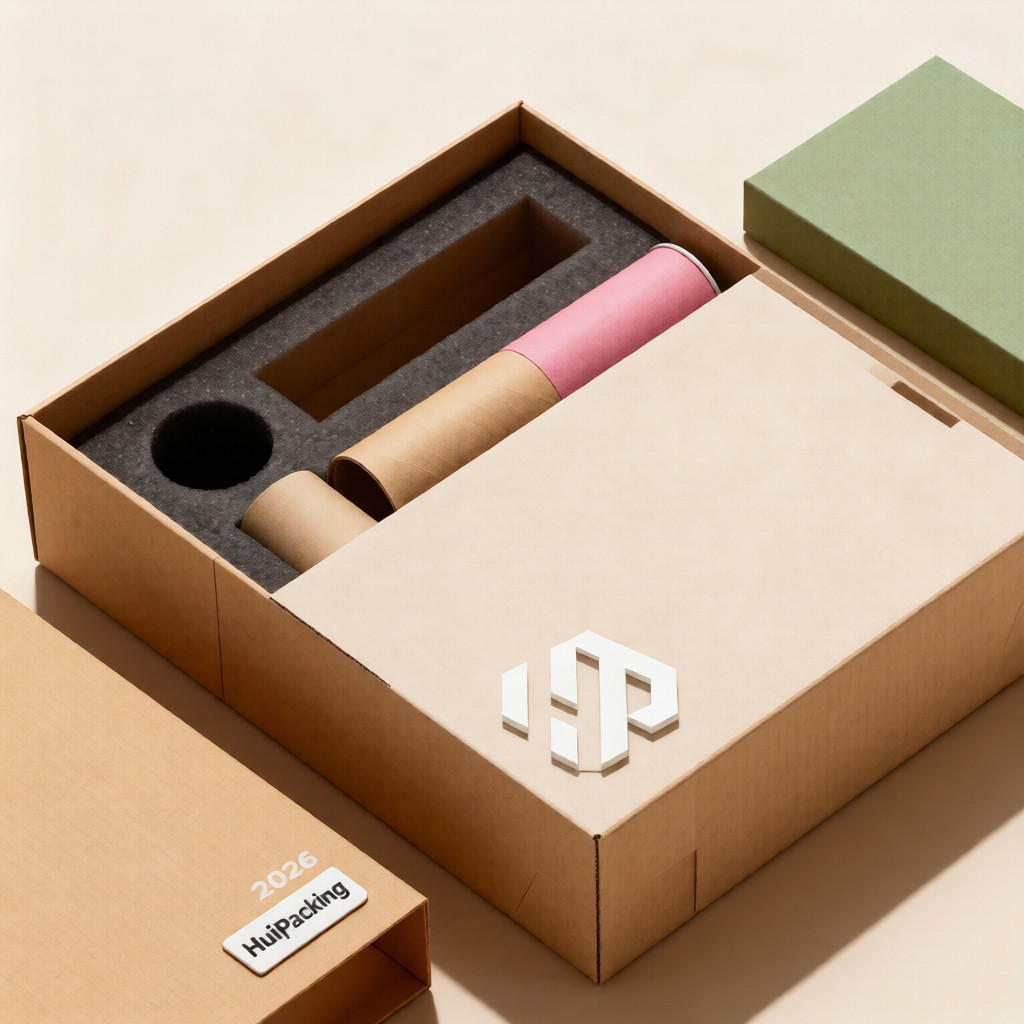
In 2026, a real Seasonal Packaging Strategy means:
Planning packaging one year ahead
Using modular structures
Controlling cost while staying flexible
Keeping brand consistency across seasons
Packaging becomes a decision framework, not a design task.
🔍 Why Seasonal Packaging Strategy Matters More in 2026
As we move into 2026, brands face three pressures at once:
Faster product cycles
Higher inventory risk
Less tolerance for wasted packaging
Seasonal campaigns still matter.
But packaging mistakes now cost more than ever.
A clear Seasonal Packaging Strategy helps brands:
Reduce redesign frequency
Shorten lead times
Protect brand consistency
Scale without chaos
🧱 Modular Packaging: The Foundation of a Scalable Strategy
Most scalable Seasonal Packaging Strategies start here.
Modular packaging means:
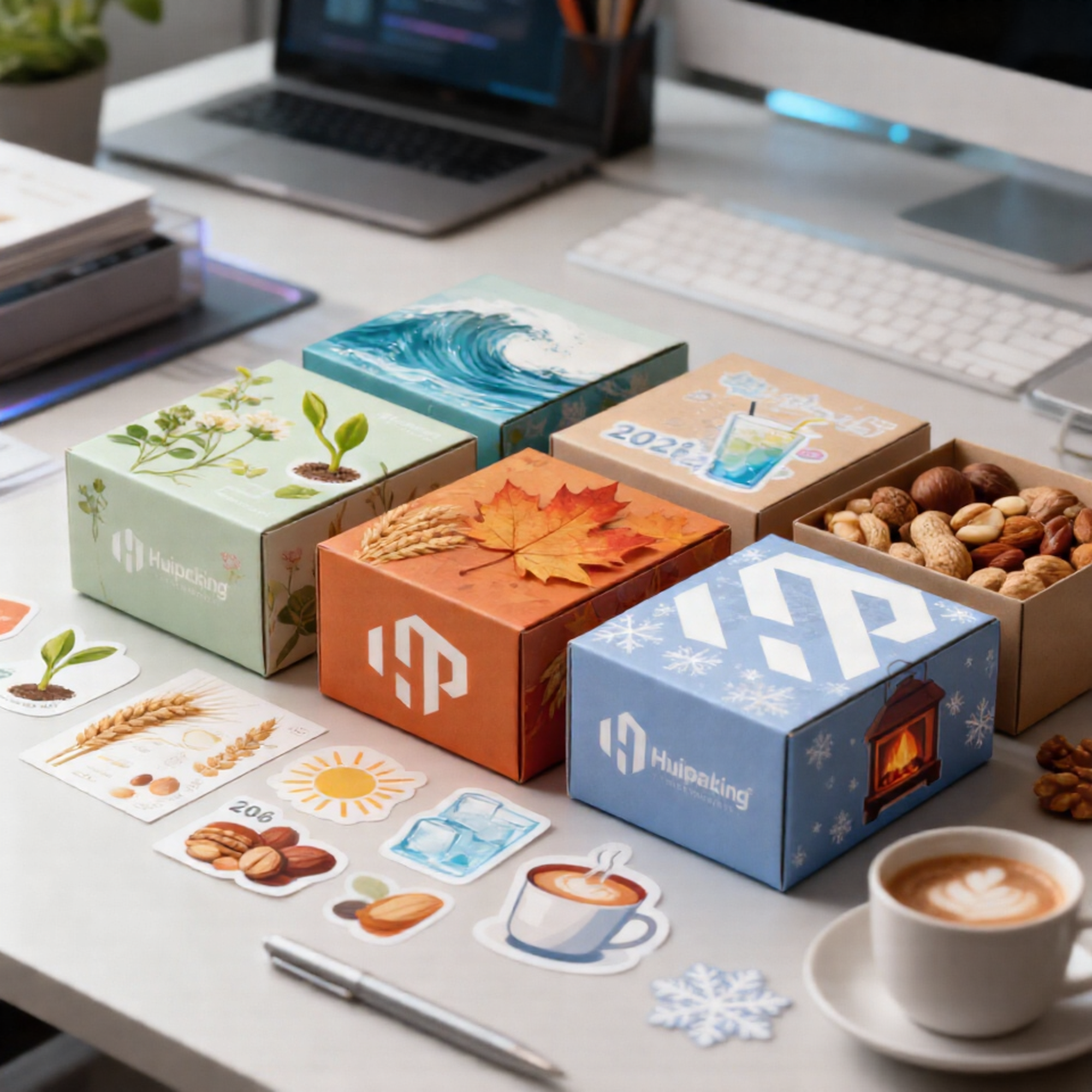
One core box structure
Multiple seasonal add-ons
Common modular elements:
📦 Sleeves
🎁 Stickers
📄 Inserts or cards
🎨 Color-accent interiors
💡 Tip:
In 2026, brands prioritize unchanging structure + changing surface.
🧠 Client Case 1: Reducing Seasonal Packaging Costs
A mid-size e-commerce brand contacted us.
Problem:
They redesigned packaging four times a year.
Costs were rising. Inventory waste was growing.
What we changed:
Locked one box structure for the year
Designed seasonal sleeves only
Result:
The packaging cost reduced noticeably
Faster seasonal launches
No brand inconsistency
Same box.
Four seasons.
One system.
💰 Cost Control Is a Strategy, Not a Compromise
Many brands think seasonal packaging = higher cost.
In reality, cost problems usually come from:
Too many SKUs
Structural changes
Poor inventory planning
A strong Seasonal Packaging Strategy controls cost by:
Reusing structures
Simplifying materials
Planning seasonal quantities early
👉 In 2026, cost efficiency is designed — not negotiated later.
🧠 Client Case 2: Seasonal Packaging Without Redesign
A DTC skincare brand wanted seasonal updates
but feared confusing repeat customers.
Our recommendation:
Keep the outer box unchanged
Update only the inside insert
Add subtle seasonal messaging
Outcome:
Customers noticed the change
Brand felt refreshed, not fragmented
Zero packaging waste
Seasonal doesn’t have to be loud to be effective.
🧭 Seasonal Packaging as a Brand Decision
This is where many brands shift their mindset.
Seasonal packaging is not a design question.
It’s a brand decision.
In 2026, smart brands ask:
Will this scale next season?
Does it fit our long-term identity?
Can our supply chain handle it?
Packaging choices reflect how a brand thinks, not just how it looks.
🧠 Client Case 3: Scaling Seasonal Packaging for Global Markets
A brand selling to the US and EU asked about seasonal packaging.
Concern:
Different markets. Different expectations.
Strategy:
Neutral core packaging
Region-agnostic seasonal messaging
Avoid culturally specific visuals
Result:
One seasonal system
Multiple markets
No rework
👉 In 2026, simplicity scales better globally.
🚫 Common Mistakes With Seasonal Packaging Strategy
I see these patterns often 👀
Treating seasonal packaging as a one-off
Over-customizing structures
Ignoring inventory cycles
Letting design override logistics
A Seasonal Packaging Strategy should reduce decisions, not create more.
❓ Real FAQs From Brands
Q1: Do small brands need a Seasonal Packaging Strategy?
Yes. Especially small brands with limited margin for error.
Q2: How many seasonal changes are ideal?
Usually, 2–4 per year works best.
Q3: Is modular packaging lower quality?
No. Quality depends on materials, not the structure frequency.
🚀 Final Thoughts on Seasonal Packaging Strategy
Heading into 2026,
Seasonal Packaging Strategy is becoming a competitive advantage.
The brands winning are not the loudest.
They are the most intentional.
They don’t ask:
“What should we design next season?”
They ask:
“What system will still work next year?”
Seasonal Packaging Strategy turns packaging
from a recurring cost into a long-term asset 📦
🌐 Get Started Today
📦 Visit: www.huipacking.com
📲 WhatsApp: +86 180 3848 2898
📧 Email: huipacking00@gmail.com
🎁 Custom Packaging, Fast Fulfillment, Global Growth.
📥 Get a Free Quote 💬 Chat on WhatsApp
.png)
.png)
.png)
.webp)